- Company
- Herjavec Group
- Role
- Founder & CEO
- Est. Net Worth
- $300 Million (Est.)
- Stage
- Established
- Industry
- Tech & SaaS
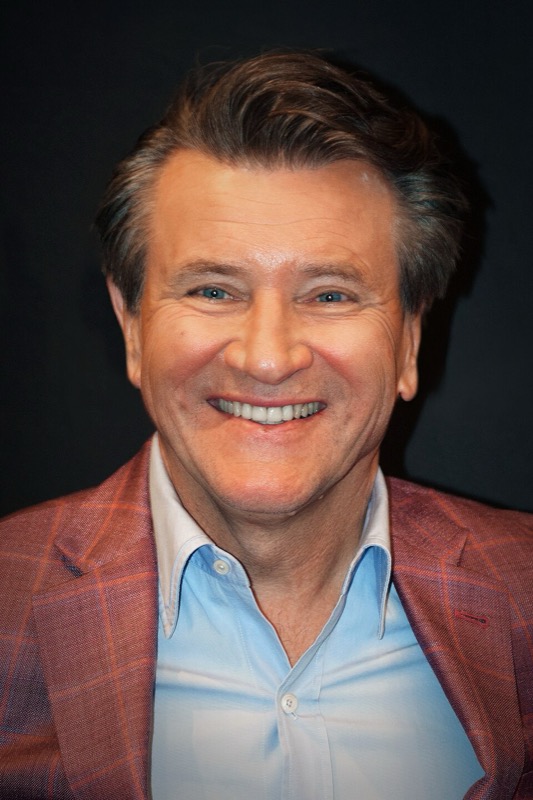
Robert Herjavec
Founder & CEO at Herjavec Group
About
Robert Herjavec is the founder and CEO of Herjavec Group, one of the world's largest privately held cybersecurity firms, and a longtime investor on ABC's Shark Tank, where his combination of technical expertise and immigrant-entrepreneur story has made him one of the show's most popular panelists. Born in Croatia (then Yugoslavia), Herjavec immigrated to Canada with his family at age eight, arriving with virtually nothing and spending his early years in near-poverty. He built his first technology company, BRAK Systems, into a leading internet security firm before selling it in 2000 and founding Herjavec Group, which now employs over 300 cybersecurity professionals and manages security operations for some of the world's largest enterprises. His personal story — from refugee to billionaire-status entrepreneur — has made him an influential voice on immigration policy, entrepreneurship, and the importance of cybersecurity in an increasingly connected world.
Current Company
Herjavec Group — Founder & CEO
From Refugee to Cybersecurity Empire
Robert Herjavec's personal story — arriving in Canada at age eight with his family from Communist Yugoslavia, growing up in near-poverty, and building a cybersecurity empire worth hundreds of millions of dollars — is one of the most compelling immigrant-entrepreneur narratives in North American business. His family arrived with a single suitcase, and Herjavec has described his childhood as marked by the alienation and economic hardship common to many immigrant families: his father worked in a factory, and young Robert delivered newspapers and worked odd jobs to help support the family. But the experience of displacement also instilled in him a relentless work ethic and a comfort with risk that would define his business career.
Herjavec's first major success came with BRAK Systems, an internet security integrator he founded in 1990 and grew into one of Canada's fastest-growing technology companies before selling it to AT&T Canada in 2000 for $30 million. He then founded Herjavec Group, which he built into one of the world's largest privately held cybersecurity companies, providing managed security services to enterprises that need protection against the increasingly sophisticated threats targeting corporate networks, cloud infrastructure, and sensitive data. The company's growth has tracked the explosive expansion of the cybersecurity market, as organizations worldwide have come to recognize that cyber threats represent one of the most serious risks to business continuity and competitive advantage.
Shark Tank, Public Advocacy, and the Cybersecurity Imperative
Herjavec's role as an investor on ABC's Shark Tank has made him one of the most recognizable business personalities in North America — a platform he has used not just to evaluate pitches and make investments but to advocate for entrepreneurship, immigration, and cybersecurity awareness. His investment philosophy on the show reflects his own experience: he is drawn to founders who demonstrate the same combination of hustle, resilience, and genuine passion that defined his own journey, and he is particularly sympathetic to immigrant entrepreneurs who are building businesses while navigating the cultural and bureaucratic challenges of their adopted countries.
Beyond entertainment, Herjavec has become one of the most prominent public voices on cybersecurity, regularly speaking to corporate boards, government agencies, and industry conferences about the evolving threat landscape and the need for organizations to invest in security as a strategic priority rather than an IT expense. His argument — that cybersecurity is no longer a technical issue but a business issue that belongs in the boardroom — has gained urgency as ransomware attacks, data breaches, and state-sponsored hacking have become daily headlines. Herjavec's ability to communicate complex technical concepts in accessible terms, honed through years of television, has made him an unusually effective advocate for a discipline that desperately needs public understanding and investment.