- Company
- Noma
- Role
- Co-Founder & Former Head Chef
- Est. Net Worth
- $5 Million (Est.)
- Stage
- Emerging
- Industry
- Hospitality
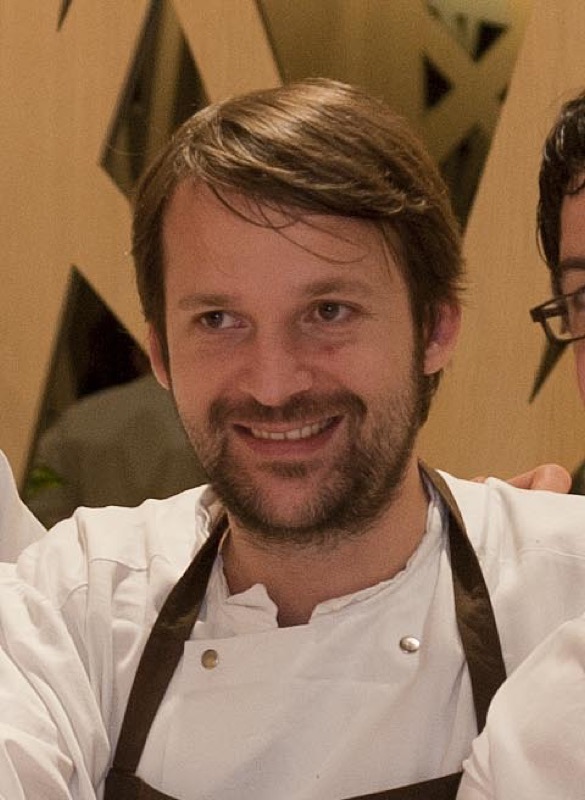
René Redzepi
Co-Founder & Former Head Chef at Noma
About
René Redzepi co-founded Noma in Copenhagen in 2003 and built it into what was repeatedly voted the world's best restaurant — a distinction that fundamentally changed the global culinary landscape by proving that world-class cuisine did not have to come from France, Italy, or Japan. Redzepi's New Nordic cuisine — built on foraged ingredients, fermentation, and a near-obsessive focus on seasonality and terroir — inspired a generation of chefs to look to their own landscapes and food traditions rather than replicating European techniques. Noma's influence extended far beyond its dining room: the restaurant's alumni have opened acclaimed establishments across the world, and its approach to research and development (Noma maintained a dedicated fermentation lab) redefined what a restaurant kitchen could be. In 2024, Redzepi closed Noma as a traditional restaurant to transform it into a food innovation lab, arguing that the fine-dining model — with its grueling hours, thin margins, and reliance on underpaid labor — was fundamentally broken and needed to be reimagined.
Current Company
Noma — Co-Founder & Former Head Chef
The Chef Who Reinvented What a Restaurant Could Be
René Redzepi's Noma didn't just change what people ate — it changed how chefs everywhere thought about their relationship to the landscape, the seasons, and the history of their own food traditions. Before Noma, the global culinary hierarchy was clear: France was the center, and every other cuisine was measured against the French standard. Redzepi rejected this framework entirely, building a cuisine from ingredients that were specific to Scandinavia and that most chefs would have considered weeds, scraps, or curiosities — foraged herbs, fermented vegetables, live ants, mosses, and seaweeds. The audacity of serving these ingredients in a fine-dining context, and doing so with enough technical brilliance to earn two Michelin stars and multiple World's Best Restaurant titles, forced the global culinary establishment to rethink its assumptions about what constituted serious food.
Noma's influence on the restaurant industry extended far beyond its menu. The restaurant operated a dedicated fermentation lab that produced innovations in food preservation and flavor development that have since been adopted by chefs worldwide. Its alumni network — chefs who trained at Noma and went on to open their own restaurants — spans the globe and includes some of the most acclaimed establishments of the past decade. And its foraging-centered approach inspired restaurants from Peru to Australia to Japan to look more closely at their own indigenous ingredients and food traditions, catalyzing a global movement toward hyperlocal, terroir-driven cuisine.
Closing Noma and Confronting Fine Dining's Broken Model
Redzepi's 2024 decision to close Noma as a traditional restaurant — transforming it into a food innovation lab and pop-up operation — was perhaps his most consequential act of leadership. In announcing the closure, Redzepi was characteristically blunt: the fine-dining model, he argued, was fundamentally broken. The economics required either charging prices that only the ultra-wealthy could afford or exploiting the labor of cooks who worked grueling hours for wages that couldn't support a dignified life. Noma itself had faced criticism for its reliance on unpaid or underpaid stagiaires — aspiring chefs who worked for free in exchange for the prestige of a Noma credit on their résumé — and Redzepi acknowledged that the system was unsustainable.
The transformation of Noma from restaurant to laboratory represents Redzepi's bet that the future of culinary innovation lies not in the traditional restaurant format but in research, product development, and knowledge sharing that can reach a much broader audience than 45 diners per night. The new Noma aims to develop food products, publish research, and host pop-up dining experiences around the world — a model that, if successful, could provide a template for how the world's best chefs can sustain their creative work without the exploitative labor practices and razor-thin margins that characterize even the most celebrated restaurants. Whether this experiment succeeds will determine not just Redzepi's legacy but whether fine dining itself can evolve beyond a model that even its greatest practitioners have acknowledged is broken.