- Company
- Atlassian
- Role
- Co-Founder & Co-CEO
- Est. Net Worth
- $10 Billion
- Stage
- Elite
- Industry
- Tech & SaaS
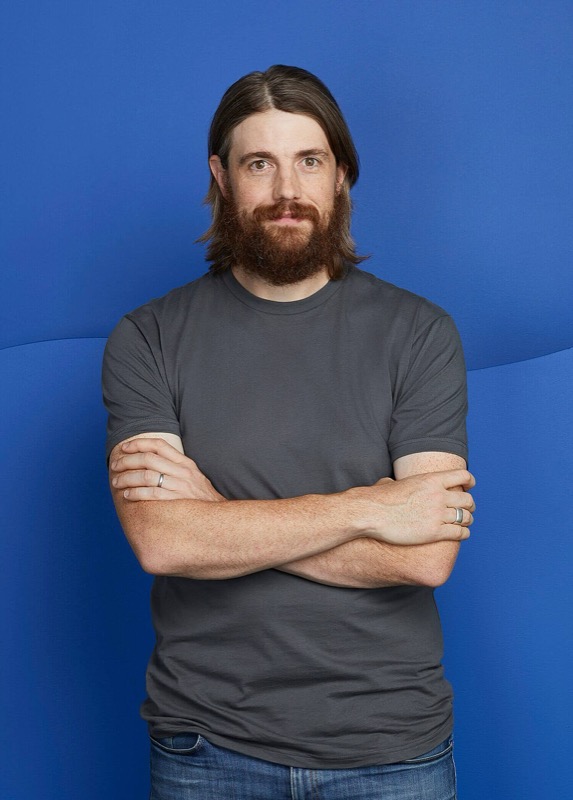
Mike Cannon-Brookes
Co-Founder & Co-CEO at Atlassian
About
Mike Cannon-Brookes co-founded Atlassian with Scott Farquhar in 2002 from a Sydney, Australia apartment, building a suite of collaboration and project management tools — including Jira, Confluence, and Trello — that became the backbone of software development teams worldwide. Atlassian's products are used by over 300,000 organizations, from startups to Fortune 500 companies, and the company went public on the NASDAQ in 2015 in one of the largest tech IPOs by an Australian company. Cannon-Brookes has become one of the most prominent advocates for renewable energy and climate action in the business world, investing hundreds of millions of dollars in clean energy projects including the Sun Cable solar farm, which aimed to be one of the largest solar installations on earth. His purchase of a $4 billion stake in AGL Energy — Australia's largest carbon emitter — was designed to accelerate the company's transition away from fossil fuels, a move that demonstrated his willingness to deploy his personal fortune in service of climate goals.
Current Company
Atlassian — Co-Founder & Co-CEO
Building the Tools That Build Software
Mike Cannon-Brookes and Scott Farquhar started Atlassian with a credit card and a conviction that software development teams needed better tools to collaborate, track work, and ship code. Their timing was exquisite: the early 2000s saw the rise of agile development methodologies that demanded new kinds of project management tools — lightweight, flexible, and designed for the iterative, team-based workflows that were replacing the waterfall model of the previous generation. Jira, which became Atlassian's flagship product, was not the flashiest or most intuitive tool on the market, but it was extraordinarily powerful and customizable, and it earned the fierce loyalty of engineering teams who valued substance over style. The company's suite expanded to include Confluence for documentation, Bitbucket for code hosting, and Trello for visual project management, creating an ecosystem that touched virtually every aspect of how software teams work.
What made Atlassian unusual among enterprise software companies was its go-to-market strategy: the company grew almost entirely through word-of-mouth and self-service adoption, with minimal investment in traditional enterprise sales teams. Developers would discover Atlassian's tools, start using them on small teams, and gradually expand usage across their organizations — a bottoms-up adoption model that was unusual in enterprise software at the time but that would later become the template for product-led growth in SaaS. When Atlassian went public in 2015, its IPO was notable not just for its $4.4 billion valuation but for the fact that the company had achieved that scale while spending less on sales and marketing as a percentage of revenue than virtually any enterprise software company in history.
Climate Capitalism Down Under
Cannon-Brookes has emerged as one of the most aggressive climate investors in the business world, deploying his personal fortune to accelerate Australia's — and the world's — transition to renewable energy. His investment in Sun Cable, a project that aimed to build one of the world's largest solar farms in the Northern Territory and transmit the electricity via undersea cable to Singapore, represented the kind of audacious, infrastructure-scale bet that few private investors are willing to make. When the project encountered financial difficulties, Cannon-Brookes invested additional capital to keep it alive, demonstrating a commitment to climate solutions that goes beyond the write-a-check-and-hope philanthropy model that characterizes much of billionaire climate engagement.
His most provocative climate intervention was the 2022 campaign to block AGL Energy — Australia's largest electricity generator and its biggest corporate emitter of greenhouse gases — from splitting into separate companies in a way that Cannon-Brookes argued would delay the retirement of coal-fired power plants. When the shareholder vote succeeded in blocking the demerger, Cannon-Brookes and his partner Brookfield Renewable attempted a full takeover of AGL, aiming to accelerate its transition to renewable generation. The bid ultimately fell short, but it demonstrated that activist investing could be deployed not just for financial returns but for systemic environmental impact — and it forced a national conversation about the pace at which Australia should transition away from fossil fuels.