- Company
- University of Global Health Equity
- Role
- Vice Chancellor
- Est. Net Worth
- $3 Million (Est.)
- Stage
- Emerging
- Industry
- Healthcare
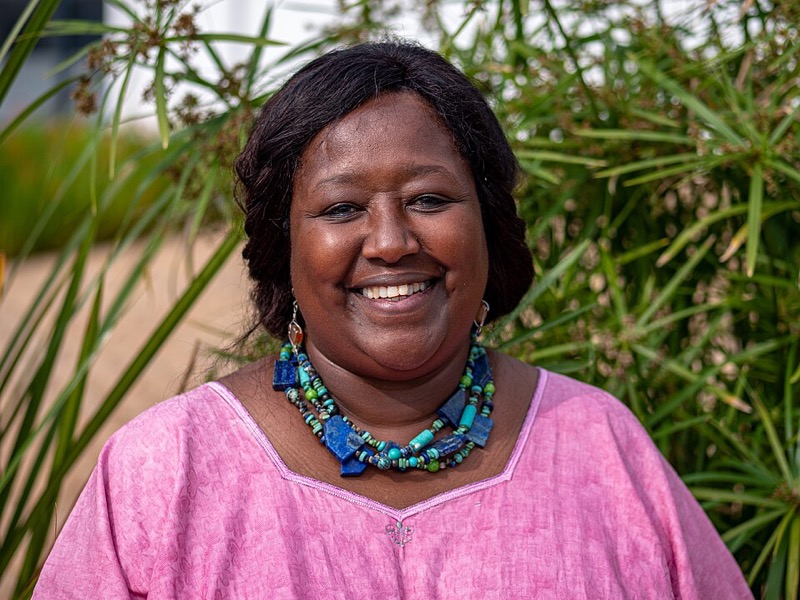
Agnes Binagwaho
Vice Chancellor at University of Global Health Equity
About
Agnes Binagwaho is a Rwandan pediatrician who served as Minister of Health of Rwanda from 2011 to 2016, overseeing one of the most remarkable healthcare transformations in modern history. Under her leadership, Rwanda expanded health insurance coverage to over 90% of the population, dramatically reduced child and maternal mortality, and built a community health worker system that became a model for developing nations worldwide. She now serves as Vice Chancellor of the University of Global Health Equity in Rwanda, an institution she co-founded to train the next generation of global health leaders with an emphasis on health equity and social justice. Binagwaho's work is informed by her experience surviving the 1994 Rwandan genocide, during which she stayed in the country to treat patients even as the healthcare system collapsed around her — an experience that deepened her conviction that healthcare is a fundamental human right and that health systems must be designed to serve the most vulnerable populations first.
Current Company
University of Global Health Equity — Vice Chancellor
Rebuilding Healthcare from the Ashes of Genocide
Agnes Binagwaho's career in public health began in the most catastrophic circumstances imaginable: the 1994 Rwandan genocide, during which she remained in the country to treat patients even as the healthcare system — and the nation itself — collapsed around her. The genocide killed approximately 800,000 people in 100 days and destroyed Rwanda's already fragile health infrastructure: hospitals were attacked, medical personnel were killed, and the social trust that underlies any functioning health system was shattered. In the years that followed, Binagwaho played a central role in rebuilding Rwanda's health system from essentially nothing, helping design the community health worker program that would become the foundation of the country's remarkable healthcare transformation.
Rwanda's health achievements under Binagwaho's influence are among the most impressive in global health history. During her tenure as Minister of Health from 2011 to 2016, the country achieved near-universal health insurance coverage through its community-based Mutuelles de Santé program, reduced child mortality by over 70%, and built one of the most effective HIV/AIDS treatment programs in sub-Saharan Africa. The community health worker system — which places trained health workers in every village to provide basic care, conduct screenings, and connect patients to the formal health system — became a model studied and replicated by countries around the world. What made Rwanda's approach distinctive was its emphasis on equity: the system was explicitly designed to reach the poorest and most remote communities first, ensuring that healthcare expansion did not simply benefit the urban middle class.
Training the Next Generation at UGHE
Binagwaho co-founded the University of Global Health Equity in Butaro, Rwanda, to address what she saw as the fundamental bottleneck in global health: the shortage of health professionals trained to understand and address the social, economic, and political determinants of health in resource-limited settings. Traditional medical education, she argued, produces doctors skilled in clinical care but unprepared for the challenges of building health systems in communities where poverty, malnutrition, inadequate sanitation, and lack of education are more powerful determinants of health outcomes than any disease. UGHE's curriculum integrates clinical training with social science, management, and policy — producing graduates who are not just practitioners but system builders capable of designing and leading the health institutions that underserved communities need.
The university's location in rural Rwanda is itself a statement about equity and access: by placing a world-class educational institution in a community that would never be served by the urban-centered universities that dominate African higher education, Binagwaho is demonstrating that excellence does not require concentration in capital cities. UGHE's students come from across Africa and the developing world, and the university's partnerships with institutions including Harvard, Dartmouth, and the Global Fund have created research and training opportunities that rival those available at leading institutions in the Global North. Binagwaho's vision for UGHE reflects her broader conviction that global health equity requires not just better programs and more funding but a fundamental reimagination of who gets to define health priorities, who gets trained to address them, and where that training takes place.